Hol Chan and Mexico Rocks are the two most popular snorkeling experiences off Ambergris Caye — and they're more different than most visitors realize. Choosing the right one for your group is one of the most practical decisions you'll make in Belize. Here's how to think about it.
When guests come to The Local Root Belize and ask about snorkeling, this is almost always the first question: Hol Chan or Mexico Rocks? Both sit within the Belize Barrier Reef system. Both are genuinely beautiful. But they serve different kinds of days, different kinds of swimmers, and different priorities. Most visitors do one on their first trip — here's how to pick correctly.
Hol Chan Marine Reserve: Belize's most iconic snorkel site
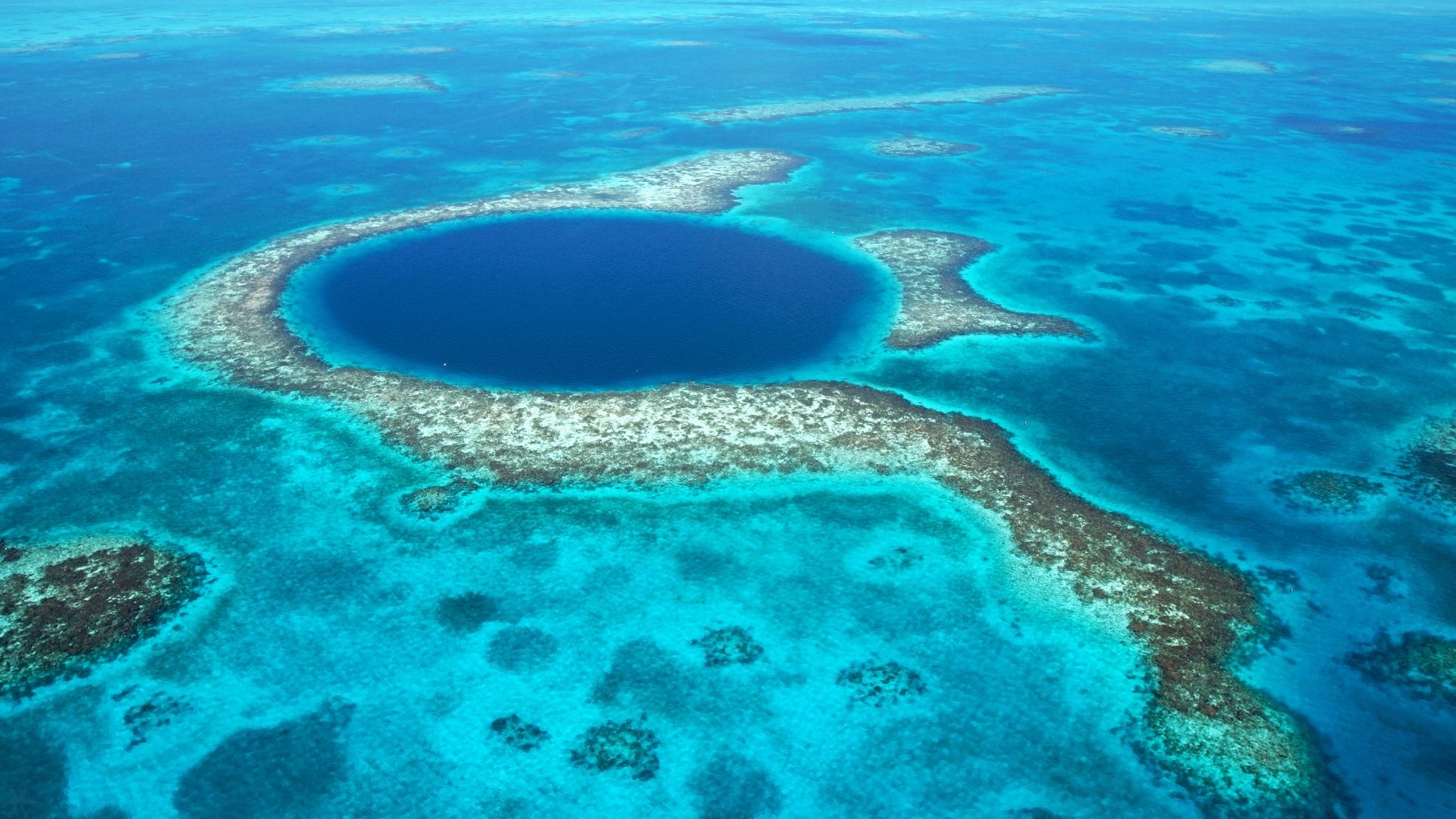
Hol Chan — which means "little channel" in Mayan — is a natural cut through the Belize Barrier Reef located about four miles south of San Pedro. Established in 1987 as Belize's first marine reserve, it's one of the most biodiverse protected marine areas in the Caribbean.
The channel itself funnels water in and out with the tide, which creates the currents that bring in food and, in turn, attract dense concentrations of marine life. This is the spot for people who want to see a lot of things in the water — and see them up close.
What you'll typically see at Hol Chan
- Spotted eagle rays gliding just below the surface
- Sea turtles — loggerhead and hawksbill — grazing on sea grass
- Nurse sharks resting on the sandy bottom
- Large schools of snappers, groupers, and parrotfish
- Moray eels poking from coral crevices
- Spectacular coral formations: brain coral, star coral, elkhorn
Most Hol Chan excursions combine the marine reserve with Shark Ray Alley, a legendary shallow sandbar where nurse sharks and spotted eagle rays congregate — drawn there originally by fishing boats cleaning their catch, and now a fixed part of the local ecosystem. Floating over the alley with 8 to 10 nurse sharks circling beneath you is one of those experiences that sounds more alarming than it is, and ends up being one of the most exhilarating things guests do in Belize.
Best for:
- First-time snorkelers in Belize who want the iconic experience
- Guests who prioritize marine diversity over solitude
- Confident swimmers comfortable in open-water conditions
- Anyone who wants the shark encounter as part of their day
Be aware:
Hol Chan is popular. On busy mornings — particularly from December through April — you may encounter other boats and other groups at the site. Conditions in the channel can be active, with some current. It's manageable for most swimmers, but less serene than the second option.
Mexico Rocks: The calm-water alternative for all ages
Mexico Rocks is a shallow patch reef system located in the calmer backreef lagoon north of San Pedro, just inside the barrier reef. Where Hol Chan is dynamic and species-dense, Mexico Rocks is peaceful, intimate, and visually stunning in a quieter way.
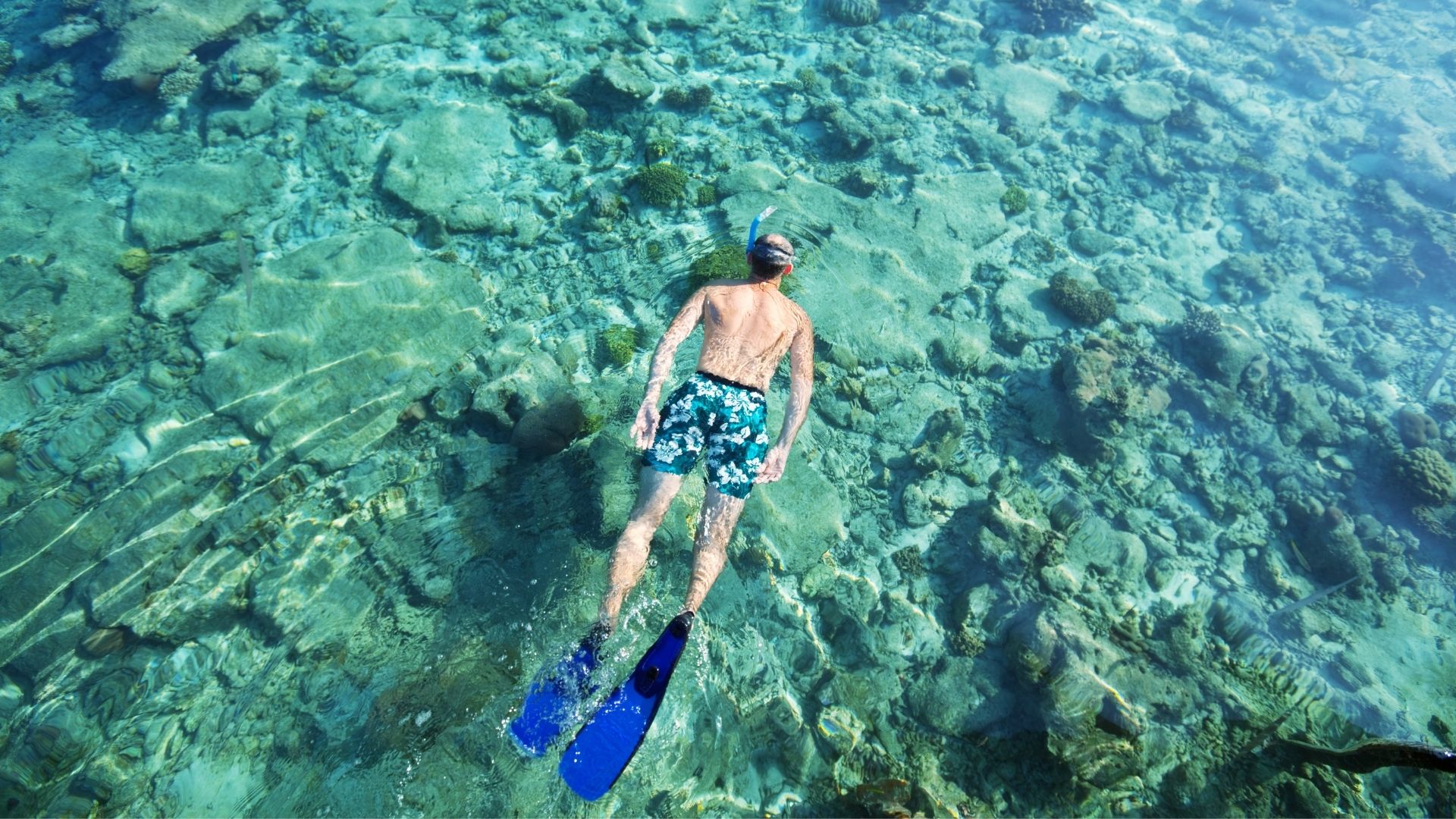
Depths here are typically between 3 and 8 feet — shallow enough to stand in many places, shallow enough that even nervous swimmers or young children feel completely at ease. The coral formations are spectacular: dense thickets of staghorn coral, brain coral heads the size of small cars, and colorful sea fans bending gently in the current.
What you'll typically see at Mexico Rocks
- Staghorn and elkhorn coral in excellent health
- Juvenile reef fish in brilliant colors
- Stingrays resting in sandy patches
- Occasional sea turtles feeding on the sea grass
- Caribbean spiny lobster tucked under coral ledges
- Bonefish and snook in the shallower edges
Mexico Rocks is often paired with Stingray City — a sandbar in knee-deep water where southern stingrays congregate. Unlike the nurse sharks at Shark Ray Alley, the rays here are completely wild but accustomed to gentle human contact. Holding a stingray flat in both palms in shin-deep water is one of those unexpected highlights that families consistently report as the best moment of their trip.
Best for:
- Families with younger children
- Non-swimmers or nervous first-time snorkelers
- Guests who prefer calm, uncrowded conditions
- Photographers who want to get close to coral without current
- Anyone combining snorkeling with a relaxed beach day
Not sure which is right for your group?
Tell us who's coming and we'll recommend the right snorkel day — or combine both into a full-day experience on the reef.
Ask for a RecommendationSide-by-side comparison
| Feature | Hol Chan + Shark Ray Alley | Mexico Rocks + Stingray City |
|---|---|---|
| Water depth | 10–20 ft in channel; 4–6 ft at Alley | 3–8 ft throughout |
| Current | Moderate — tidal channel | Minimal — backreef lagoon |
| Marine life highlights | Sharks, rays, turtles, dense reef fish | Staghorn coral, stingrays, lobster |
| Best for skill level | Comfortable swimmers, all ages | All levels — ideal for beginners |
| Crowd level | Higher in peak season | Lower, more intimate |
| Duration | Half day (3–4 hours) | Half day (2.5–3.5 hours) |
| Best time | Year-round; early morning for calmer conditions | Year-round; ideal in calmer afternoon |
Can you do both?
Yes — and for guests staying more than a few days, we often recommend doing both. The two experiences complement each other perfectly, and doing them on different days means you're not rushing through either one. Hol Chan in the morning on one day; Mexico Rocks and Stingray City another morning with a slow beach lunch after.
If you have only one snorkel day and your group includes strong swimmers and first-timers alike, Hol Chan is typically the better choice — the wildlife density and the Shark Ray Alley experience tend to win out for mixed groups.
A note on conditions and timing
Both sites are generally accessible year-round. The calmest conditions at Hol Chan come in the mornings before afternoon trade winds build. Mexico Rocks, being in the protected backreef, is more forgiving in choppy conditions — which is worth keeping in mind if you're planning a trip during the windier spring months (March through May).
Reef-safe, mineral-based sunscreen is required at both sites. Chemical sunscreens are prohibited in Belize's marine reserves — we'll always remind guests before the trip, and we have options available if needed.
Ready to get in the water? Explore all of our snorkeling experiences — including the night snorkel, which shows you an entirely different reef after dark. Or send us a message and we'll help you decide what belongs in your Belize days.